On October 1, 1989, forty-three infants are inexplicably born to random, unconnected women who showed no signs of pregnancy when the day began. Seven are adopted by Sir Reginald Hargreeves, a billionaire who creates The Umbrella Academy and prepares this group to save the world. In the present day, Sir Reginald Hargreeves has died, and the children reunite at his funeral.
The Umbrella Academy is a show for anyone who is tired of the excess of formulaic superhero stories.
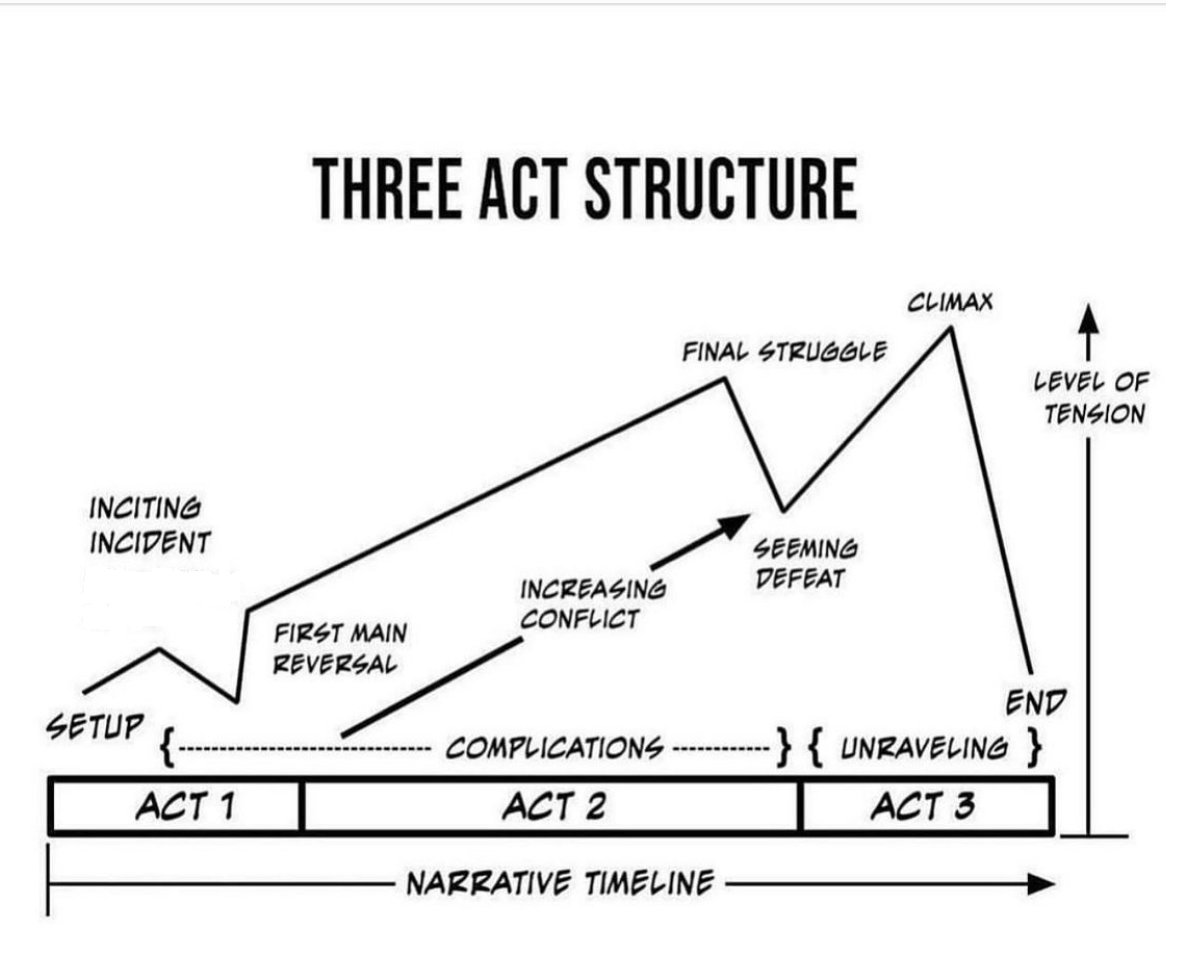
Most (good and bad) superhero movies and shows have a tried and tested formula – fleshed-out origin story including the death of a parent, an accident or invention giving the titular character superpowers, a montage of them honing their skills to perfection, motivation to save the world or do some good, and a worthy supervillain adversary that defeats the superhero once, but loses the second time. It looks like this:
The opening scene shows one of such forty-three infants being born and bought by Reginald. After a shot of nannies carrying seven strollers that tricks you into believing a montage of the kids growing up and learning about their superpowers, the show cuts to the present day – introducing 5 of the seven members – now 30-year-olds- with only one of them actually fighting crime.
Their adoptive father has died, and most of them have moved on with their everyday lives.
Number 1/ Luther (super-strength) was working on a mission on the Moon.
Number 2/ Diego (good with knives) is the only one fighting crime.
Number 3/ Allison (who can control people by speaking out “rumors”) is now an actress.
Number 4/Klaus (can speak with the dead) is now a junkie just out of rehab.
Number 7/ Vanya (a violinist with anxiety and no superpowers, who always felt left out)
Number 5 (no other name) has just traveled back from the future, where he spent the last 50 years.
Number 6/ Ben (was killed at a point of time in the past)
In the present day, the ‘siblings’ have moved on with their lives, but their adoptive father’s death brings them together for his funeral.
The show revolves around the siblings’ reunion and their relationships with each other rather than the mystery of the impending apocalypse, which Five has witnessed and traveled back in time to stop.
Umbrella Academy stands out as a show that follows absolutely no formula in a world full of formulaic superhero stories – armies fighting armies, superheroes vs. supervillains, lofty ideals, and 30 min action sequences.
It makes this clear from the first 5 minutes of the show – only siblings 1-4 and 7 are introduced, pulling attentive viewers in with the mystery of where 5 and 6 are.
Also, as the superheroes are introduced as babies – the scene plays over ‘Picture Book’ by The Kinks, signifying the start of a montage – but instead cuts straight to the present day.
The UA is a dysfunctional family much more than a functional team. The siblings constantly mess up, fight, argue, and make up and reminisce. Their personal conflicts are endearing and relatable. Here is a beautifully shot scene with all the siblings in their rooms:
The show does a great job of bringing the siblings’ personalities to the foreground. The character traits define them, rather than their superpowers.
When you think about Five, the first thing that comes to your mind isn’t teleportation. It’s his intelligence and assertiveness. When you think of Klaus, you think hedonistic, lovable junkie before ‘I see dead people’
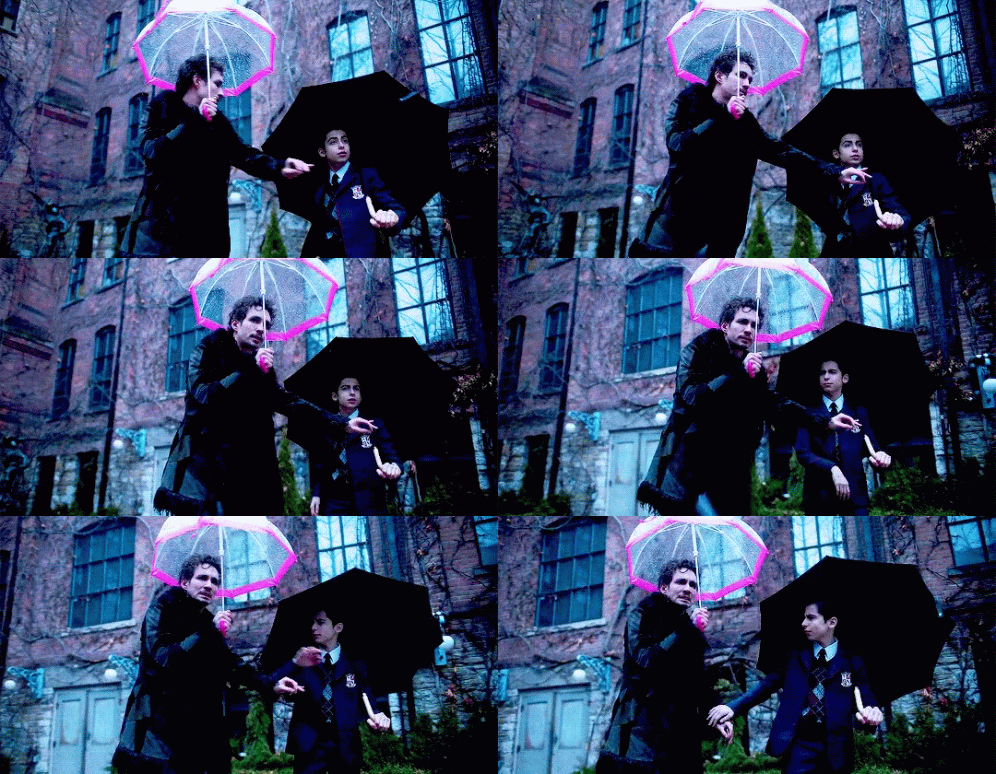
This GIF perfectly sums up Five and Klaus.
This works even better because the siblings don’t use their powers very often – because most of them aren’t superheroes anymore – whether it’s due to fear, guilt, trauma, or selfishness.
There is no formula for the plot either. Almost no one is good or bad. Everyone is just lying close to the middle of the spectrum, including most of the antagonists. Most characters are as clueless about what’s going on as the audience.
There is an intriguing mystery, a high body count, lots of styles, an amazing soundtrack, and beautiful production value.
But it’s perfectly balanced with introspection, irreverence, humor, and drama.
 Observations on TV and Film